

Wedding Day Timeline Tips That Actually Work
This is exactly the kind of guidance I walk my clients—and photographers—through when building timelines that actually work.
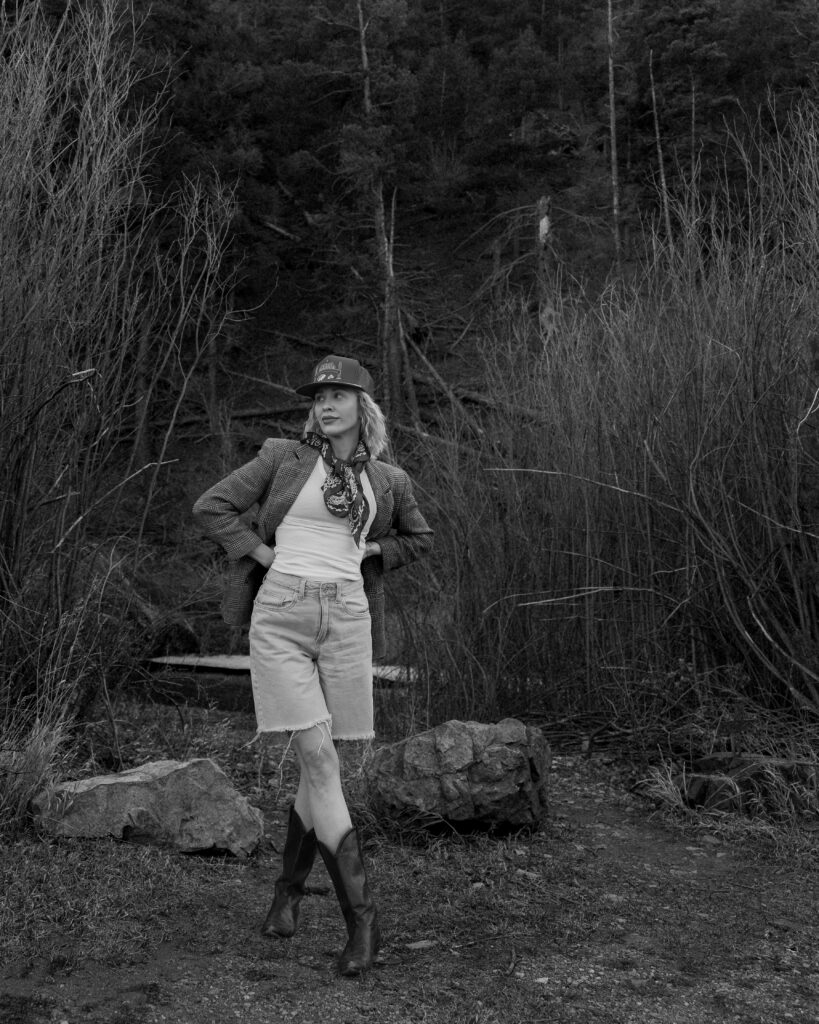
There’s a moment I notice at almost every wedding.
It’s subtle—but it’s everything.
Either the day feels calm, intentional, and fully present…
or it feels rushed, behind, and slightly chaotic under the surface.
And the difference is almost never the budget, the venue, or even the people.
It’s the timeline.
After documenting weddings, I can tell within the first hour how the rest of the day is going to feel—not just for me, but for you.
Because a smooth wedding day doesn’t happen by accident.
It’s built.
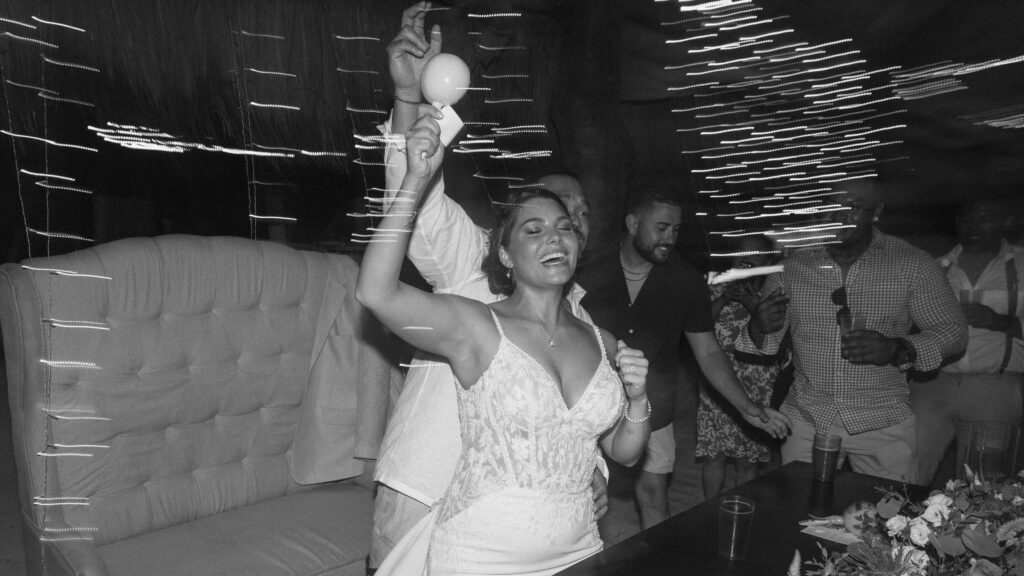
Why Your Timeline Shapes Your Entire Experience
Most couples think of a timeline as a checklist.
Something to keep the day “on track.”
But in reality, your timeline is what determines whether your day feels:
- calm or chaotic
- present or rushed
- emotional or overwhelming
When there isn’t enough time, everything starts stacking.
Hair runs late → getting dressed feels rushed → portraits get cut short → the day snowballs.
And suddenly, you’re living your wedding day instead of actually experiencing it.
A well-built timeline doesn’t just organize your day—it protects it.
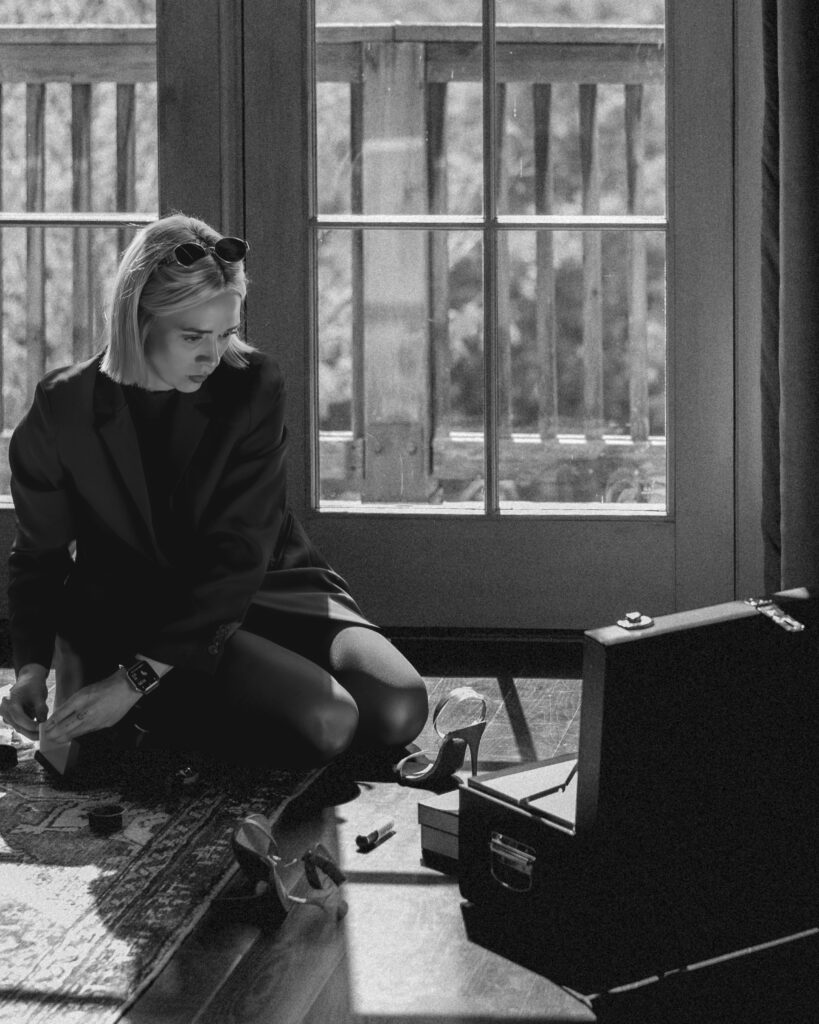
The One Thing Most Timelines Ignore: Light
This is where I see the biggest disconnect.
Your timeline might look perfect on paper…
but if it ignores light, your photos will feel it.
Midday sun (especially in places like Texas or New Mexico) can be harsh, contrasty, and unforgiving.
Meanwhile, golden hour creates that soft, cinematic glow everyone is drawn to.
That doesn’t mean you have to plan your entire day around sunset—but it does mean you should be intentional.
Some of the best timelines I’ve seen prioritize:
- Couples portraits during softer light
- A few minutes set aside for sunset, even if it’s brief
- Ceremony timing that considers the direction of the sun
Because lighting isn’t just technical—it shapes the entire mood of your photos.
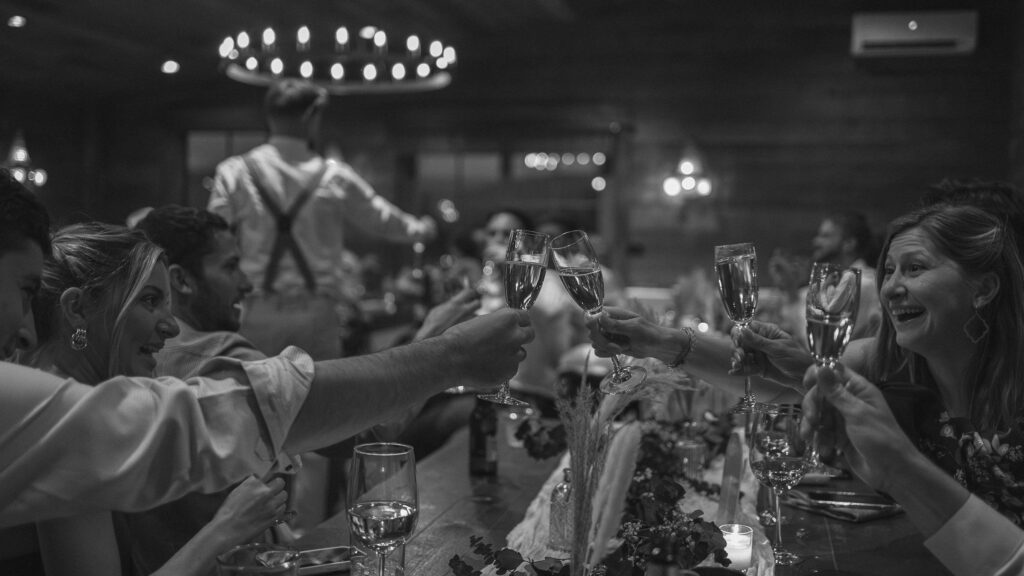
The Most Common Timeline Mistakes I See
If I could fix a few things across every wedding day, it would be these:
Not padding time between events
Everything takes longer than expected. Always.
Getting ready locations that are too far apart
Travel time adds stress fast.
Trying to fit too much into the day
More isn’t better—intentional is.
Skipping a first look without adjusting the timeline
You’ll need more time later, whether it’s planned or not.
No room for delays
Because something will run late—and that’s normal.
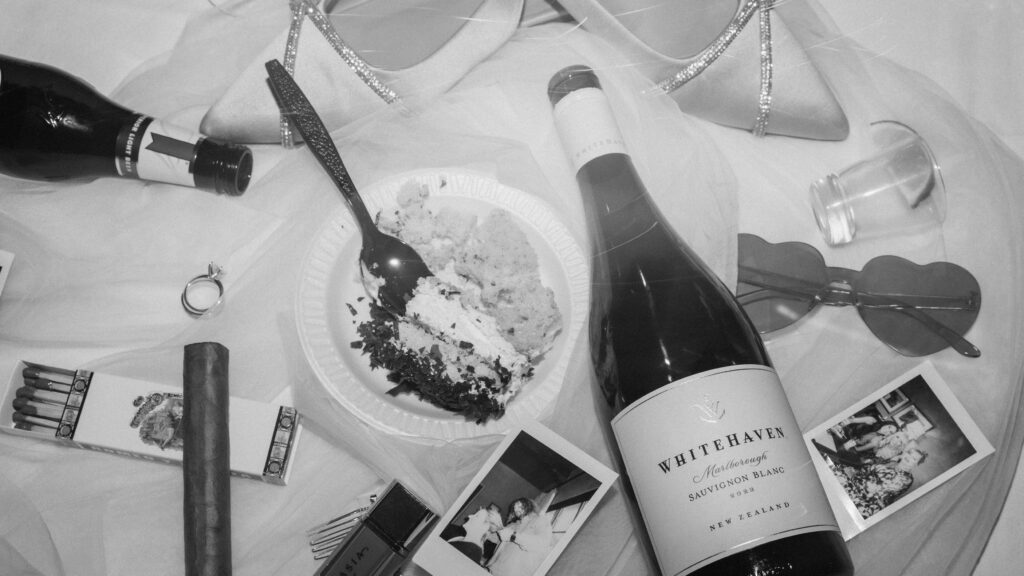
What a Timeline That Actually Works Looks Like
Every wedding is different, but the smoothest days tend to follow a similar flow:
- Getting ready: 2–3 hours (no rushing)
- Details + flat lays: 45-60 minutes
- First look (if doing one): 20–30 minutes
- Couples portraits: 30–60 minutes
- Wedding party: ~30 minutes
- Ceremony
- Family photos: 20–30 minutes (pre-planned list is key)
- Sunset portraits: 15–20 minutes
- Reception
Notice what’s built into this: space.
Not just structure—but breathing room.
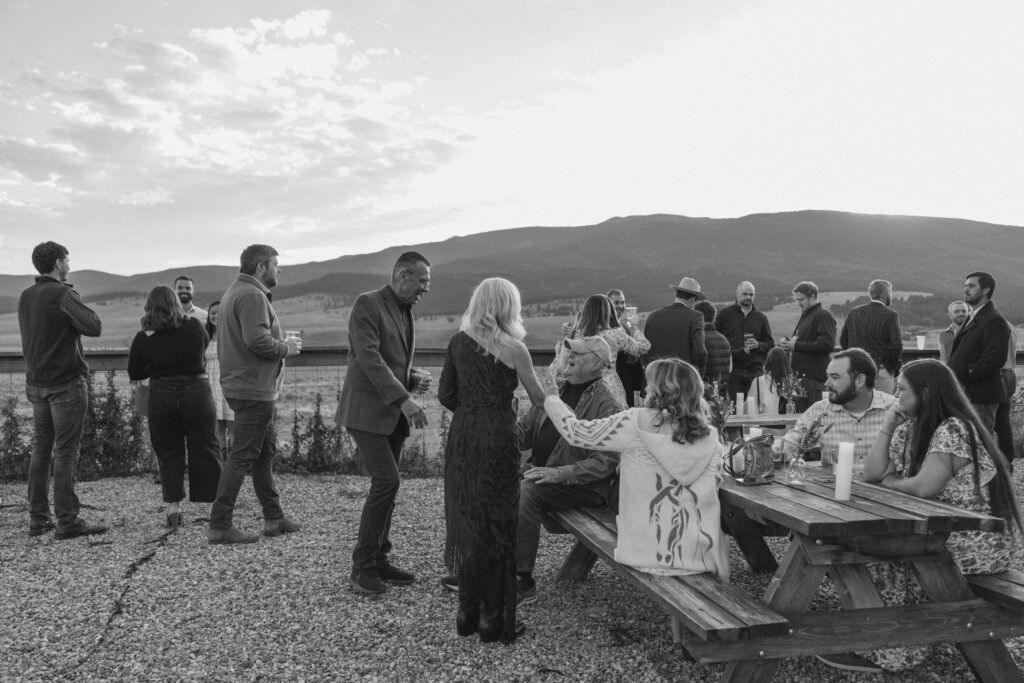
The Best Wedding Days Have Room to Breathe
The weddings that feel the most beautiful to photograph…
are also the ones that feel the most peaceful to live.
There’s time to pause.
Time to soak it in.
Time for moments that weren’t scheduled—but end up meaning the most.
Those moments don’t happen when every second is accounted for.
They happen when your day has space.
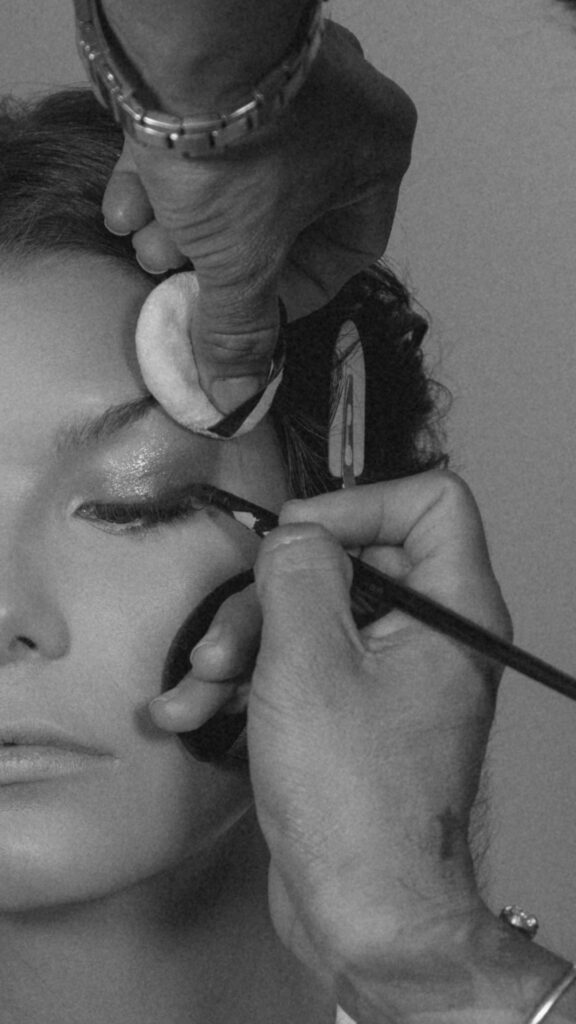
Why Your Photographer Should Help Shape Your Timeline
This is something most couples don’t realize:
Your photographer isn’t just there to document the day—they’re one of the only vendors who sees the entire timeline play out in real time.
We know:
- how long things actually take
- where delays usually happen
- how to position moments for the best light
- how to keep the day flowing without rushing you
The best timelines are built collaboratively—not pulled from a template.
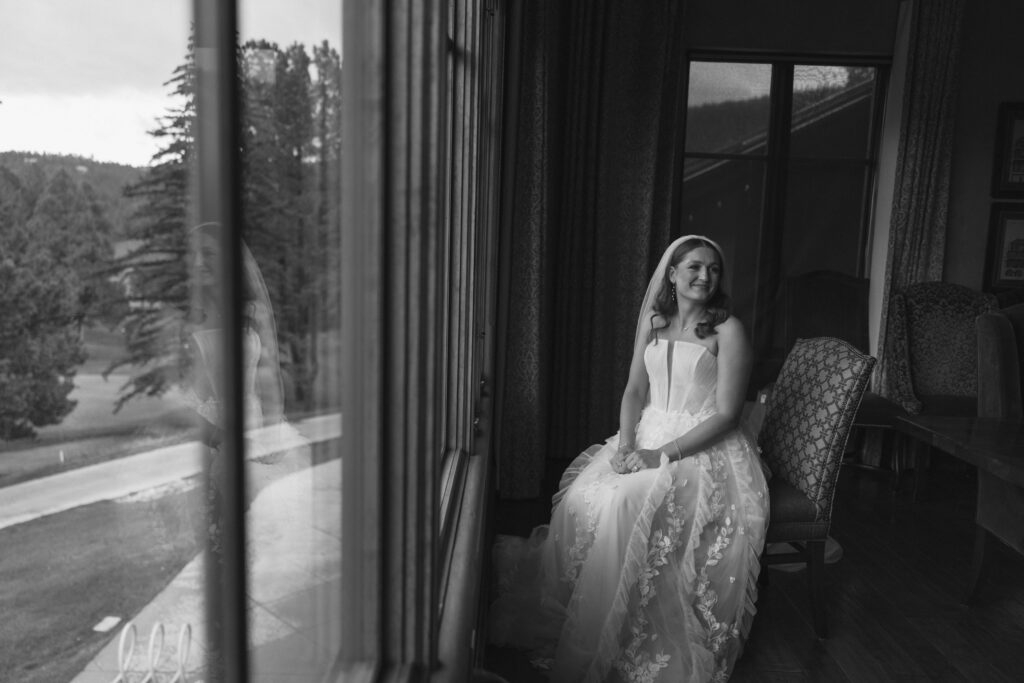
How I Help My Clients Build Their Wedding Day Timeline
Every wedding day is different—which is why I never approach timelines as a template.
Instead, I build them around the experience my clients want to have.
That starts with understanding what matters most to you.
Do you want a slow, intentional morning? More time for portraits? Space to actually be present with your people?
From there, I shape the timeline around a few key things:
Location + logistics
Where you’re getting ready, how far everything is, and how the day flows from one space to the next—it all impacts how your timeline needs to be structured.
Lighting + environment
I pay close attention to when and where the best light happens, so your photos feel as good as the moments themselves.
Realistic timing
Not what a checklist says—but what things actually take in real life. This is where most timelines fall apart.
And most importantly—
I build in space.
Space to breathe.
Space to be present.
Space for moments that aren’t planned—but end up meaning the most.
Because at the end of the day, your timeline shouldn’t just make your wedding run smoothly…
It should make it feel effortless.
Final Thoughts
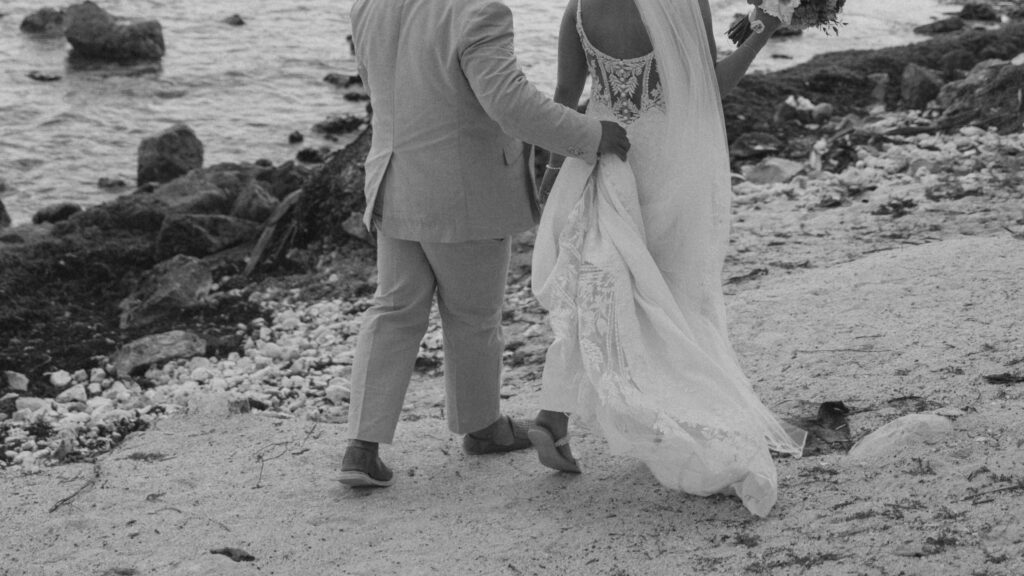
At the end of the day, your wedding isn’t just about how it looks.
It’s about how it feels while you’re in it.
And the truth is—those two things are deeply connected.
A calm, intentional timeline doesn’t just create a better experience…
it creates better photographs, too.
If you’re a photographer wanting to create smoother, more intentional wedding days for your clients, this is exactly the kind of approach I teach inside my mentoring—because your role goes far beyond just showing up with a camera.

Comments +